
Where to Find Damaged Hair Care You Can Trust
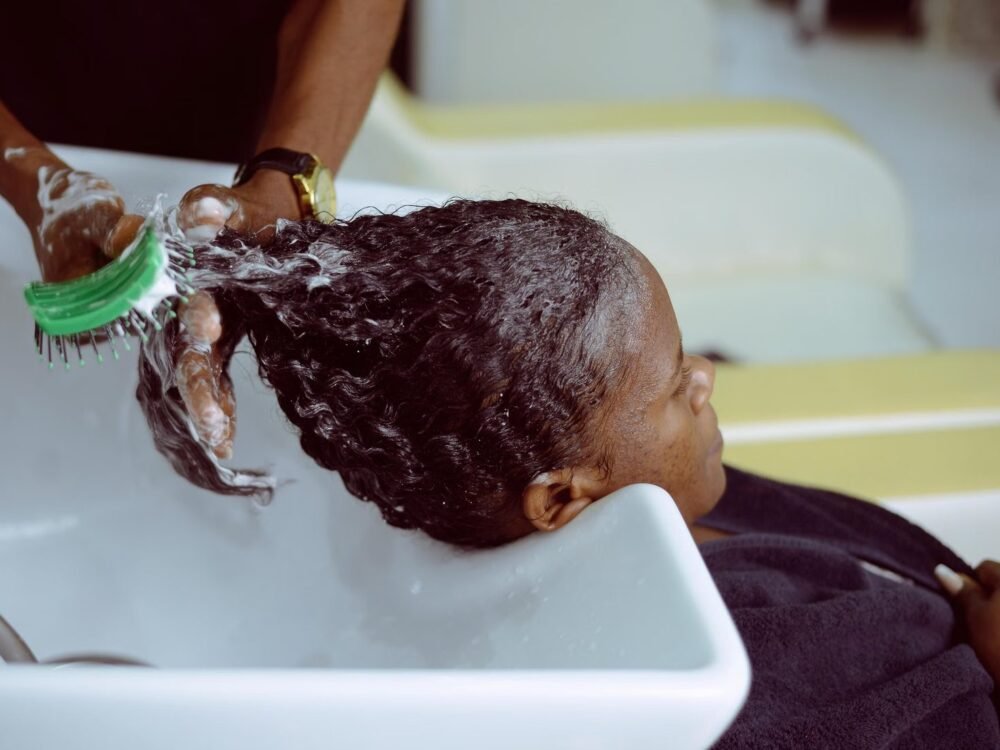
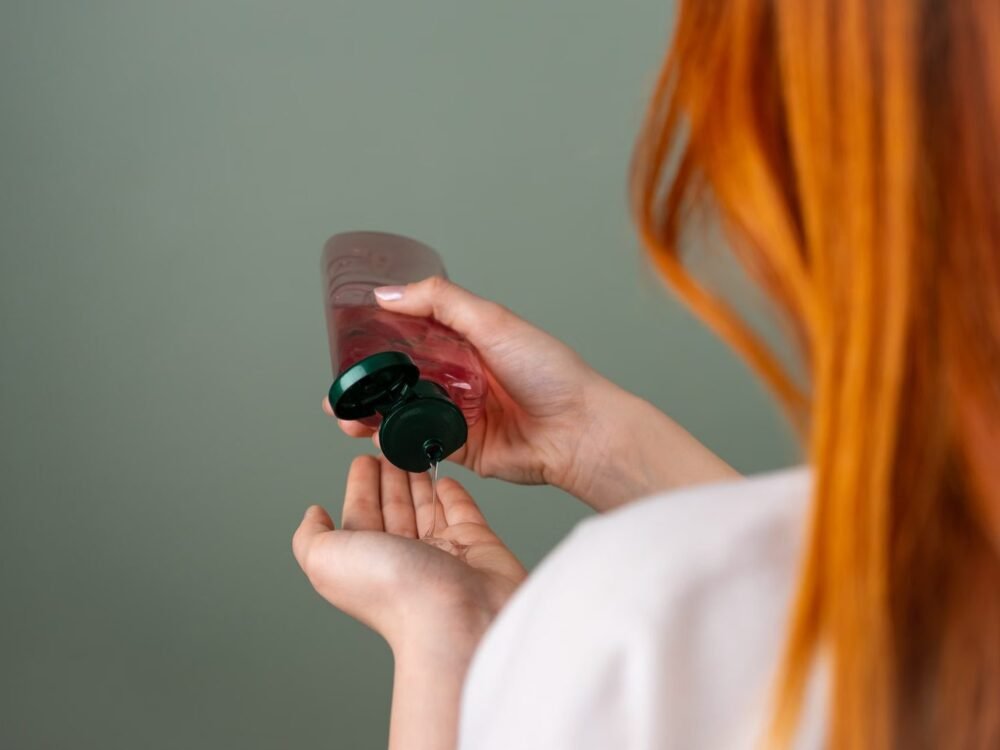
To find damaged hair care that you can trust you need to look for brands that’re transparent about what is in their products. They should list all the ingredients so you can see what you are getting. It is also good if you can adjust the formula to suit your hair type.You should avoid products with sulfates and drying alcohols because they can cause breakage. It helps to keep Damaged hair care shampoo simple and practical. With Damaged hair care products, the small details are what people actually notice.
What Should You Look For in Damaged Hair Care Products?
The right answer depends on the reader’s goal, context, and current situation. The best answer explains the core decision clearly, uses practical criteria, and avoids unnecessary steps. A useful answer should be specific, easy to compare, and realistic to apply. It helps to keep Damaged hair care shampoo simple and practical.
The ingredients should be led by plant oils, proteins or humectants. The product should clearly say what it is meant to do. You should also trust products that avoid sulfates, silicones that build up and synthetic fragrances.It is also an idea to look for products with batch numbers sourcing details and honest before-and-after claims. Honestly, Damaged hair care is easier to get right than it looks.
- Protein and moisture balance. Hydrolyzed proteins patch the cuticle; oils and humectants keep strands flexible. Too much of either causes stiffness or limpness.
- Cold-pressed botanicals. Argan, jojoba, baobab, and rosemary keep more of their nutrients when processed without heat.
- pH awareness. Slightly acidic formulas help the cuticle lie flat, which is what makes hair look shiny again.
- No filler alcohols. Short-chain alcohols high on the list dehydrate hair that is already fragile.
Where Can You Buy Damaged Hair Care You Can Actually Trust?
The right answer depends on the reader’s goal, context, and current situation. The best answer explains the core decision clearly, uses practical criteria, and avoids unnecessary steps. A useful answer should be specific, easy to compare, and realistic to apply.
Does Damaged hair Shampoo Really Repair Hair?
The right answer depends on the reader’s goal, context, and current situation. The best answer explains the core decision clearly, uses practical criteria, and avoids unnecessary steps. A useful answer should be specific, easy to compare, and realistic to apply.
Customization is important when it comes to Damaged hair.Someone with fine bleach-damaged hair may need a protein load than someone with coarse heat-stressed curls. A brand that asks about your hair porosity, scalp condition and styling habits before blending a product is doing something that a mass-market shelf cannot do.Damaged hair shampoo can help stop damage and temporarily reinforce the cuticle but it cannot permanently rebuild broken bonds.
How Do You Spot Poor Quality Damaged hair?
The right answer depends on the reader’s goal, context, and current situation. The best answer explains the core decision clearly, uses practical criteria, and avoids unnecessary steps. A useful answer should be specific, easy to compare, and realistic to apply.
Building a Routine That Holds Up
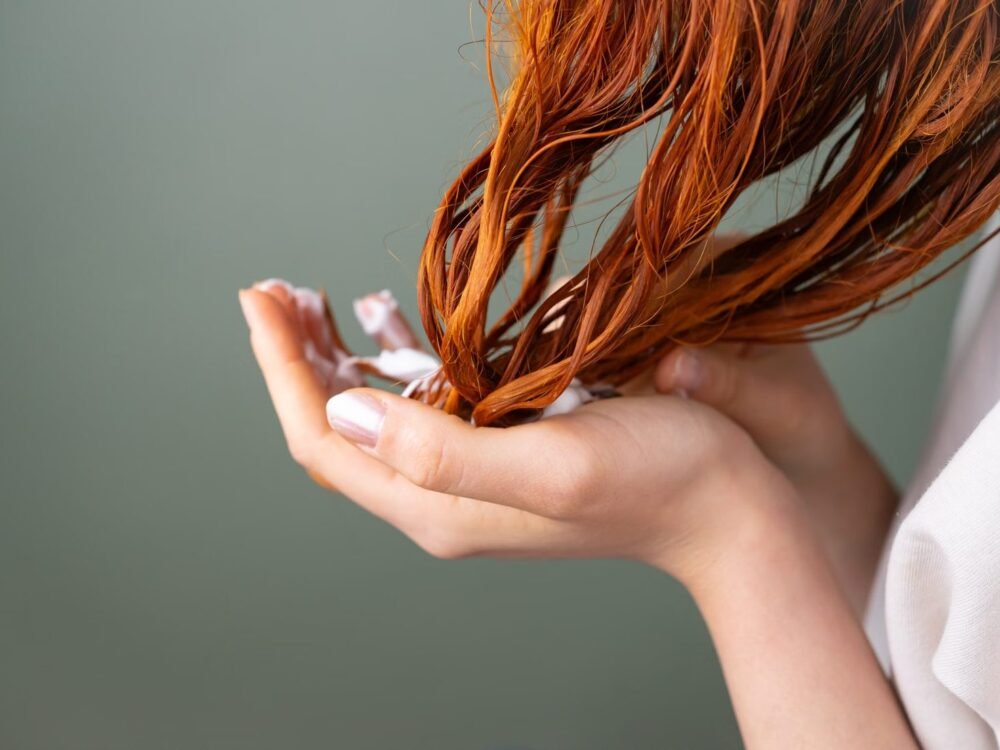
Other warning signs include no expiry date, sealed ingredient lists available after purchase overnight-miracle claims and dramatically discounted prices on supposedly premium formulas.Genuine organic products cost more because raw botanicals cost more. To build a routine that works you should wash your hair two or three times a week use water and apply conditioner from mid-length to ends. You should also add a deep treatment weekly.
| Damage type | Priority ingredient | Frequency |
|---|---|---|
| Heat damage | Ceramides, argan oil | Weekly mask |
| Chemical or bleach | Hydrolyzed protein | Every 10 days |
| Mechanical breakage | Slip agents, aloe | Every wash |
| Dryness | Glycerin, shea butter | Twice weekly |
Frequently Asked Questions
How often should I use a Damaged hair shampoo?
Argan oil. If you have chemical or bleach damage you should look for products with protein.You should give any routine a full month before judging it because hair grows roughly half an inch per month and patience is part of the process.Here are some asked questions about Damaged hair:* How often should you use a Damaged hair?
Are organic Damaged hair better than conventional ones?
The right answer depends on the reader’s goal, context, and current situation. The best answer explains the core decision clearly, uses practical criteria, and avoids unnecessary steps. A useful answer should be specific, easy to compare, and realistic to apply.
Can severely damaged hair be fully repaired?
The right answer depends on the reader’s goal, context, and current situation. The best answer explains the core decision clearly, uses practical criteria, and avoids unnecessary steps. A useful answer should be specific, easy to compare, and realistic to apply.
How long does Damaged hair take to show results?
The right answer depends on the reader’s goal, context, and current situation. The best answer explains the core decision clearly, uses practical criteria, and avoids unnecessary steps. A useful answer should be specific, easy to compare, and realistic to apply.
What ingredients should I avoid for damaged hair?
The right answer depends on the reader’s goal, context, and current situation. The best answer explains the core decision clearly, uses practical criteria, and avoids unnecessary steps. A useful answer should be specific, easy to compare, and realistic to apply.
One practical way to get more value from Damaged hair care is to treat the advice as a routine, not a one-time fix. Start with the basics that match your situation, watch what changes, and adjust only one or two details at a time. That makes results easier to understand and keeps the process realistic.